
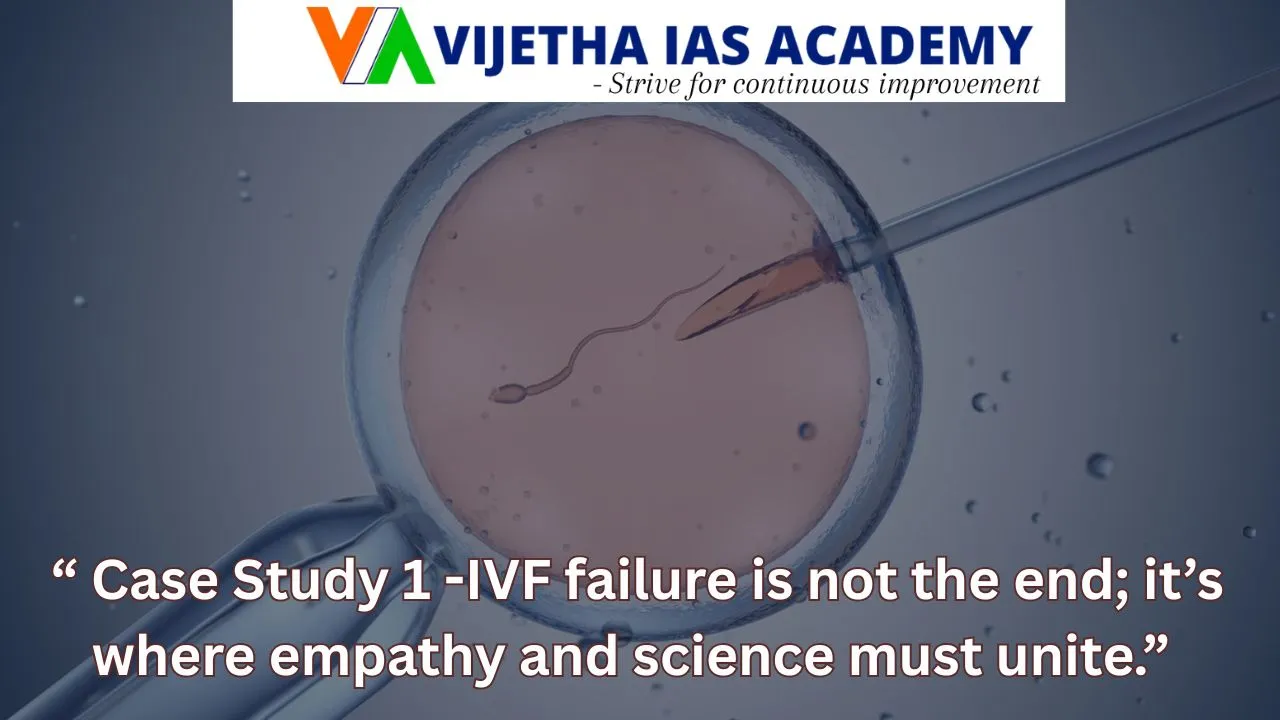
IVF Failure and Mental Health – The Need for Compassionate Fertility Care
Context
Infertility treatment is an emotional journey, especially when couples go through a failed IVF (In Vitro Fertilization) cycle. The case study “Navigating a failed IVF cycle: why prompt psychological support is key” highlights that an IVF failure is not just a medical issue—it’s a deep emotional experience. It calls for both scientific reassessment and compassionate mental health support.
Why It Matters
Infertility rates are rising, especially in urban India. While IVF technology has made conception more accessible, its social and psychological impacts are often ignored. For many couples, a failed cycle feels like a personal loss, leading to anxiety, guilt, and emotional trauma. Addressing these issues requires an integrated medical and psychological approach.
Medical Review After IVF Failure
After an IVF failure, doctors usually conduct a structured review to identify the cause. It involves:
- Embryo quality: Checking genetics and viability.
- Uterine and hormonal issues: Ensuring proper conditions for implantation.
- Ovarian health: Assessing egg quality and hormonal balance.
- Male factors: Conducting sperm analysis and DNA tests.
- Lab and protocol checks: Reviewing fertilisation and embryo transfer procedures.
Since IVF failure can occur due to multiple factors, a multidisciplinary approach—involving doctors, embryologists, and counsellors—is essential before the next attempt.
Emotional and Psychological Impact
A failed IVF cycle often triggers a grieving process similar to bereavement. Couples may experience:
- Sadness, guilt, and shame
- Feelings of inadequacy or personal failure
- Social stigma or relationship stress
Psychological counselling and peer support can help couples heal emotionally and prepare mentally for the next step. Techniques like Cognitive Behavioural Therapy (CBT), couple counselling, and hope-focused therapy improve emotional resilience and decision-making.
Lifestyle and Preventive Measures
Small lifestyle changes can also enhance fertility and reduce emotional distress:
- Quit smoking and reduce caffeine/alcohol.
- Eat a balanced, antioxidant-rich diet.
- Maintain healthy weight with moderate exercise.
- Avoid extreme workouts or crash diets.
These steps help couples feel more in control and boost both mental and physical health.
The Role of the Psychologist
Fertility psychologists guide couples through:
- Managing grief and rebuilding communication.
- Setting realistic goals—medical, emotional, and lifestyle-based.
- Exploring sensitive options like donor gametes, surrogacy, or adoption.
- Ensuring ethical and informed decision-making.
Conclusion
This case reminds us that fertility care must go beyond medical treatment. Emotional healing is equally vital for long-term well-being and successful outcomes.
Call to Action
At Vijetha IAS Academy, Anthropology students regularly explore such real-life case studies that connect biology, society, and psychology. If you wish to understand human behaviour, reproduction, and culture through a scientific lens, join Vijetha IAS Academy’s Anthropology Optional Course today — available both online and offline for UPSC aspirants across India.
For continued preparation and structured Anthropology programs, explore:
Vijetha IAS Anthropology Courses
Vijetha IAS Anthropology Test Series