
Which is the Most Powerful Post in India?
India’s administrative framework is a vast system with multiple layers of power and authority. Among the myriad of roles, the most powerful post is a topic of much debate and curiosity. Power in this context can be assessed based on decision-making authority, influence, and scope of responsibilities. Let’s explore the most powerful positions in India, their significance, and what makes them stand out.
1. The Prime Minister of India: The Apex of Executive Power
The Prime Minister (PM) is often considered the most powerful post in India. As the head of the government, the PM wields significant authority over legislative and executive functions.
Key Responsibilities and Powers:
- Policy Making: The PM directs national policies and ensures their implementation.
- Council of Ministers: Heads the Council of Ministers and allocates portfolios to different ministers.
- International Relations: Represents India on global platforms, negotiating treaties and forging international alliances.
- Legislative Influence: Can steer the direction of legislative discussions through the ruling party’s majority in Parliament.
The Prime Minister’s Office (PMO) is a hub of power, coordinating with ministries and departments to implement government schemes effectively.
2. The President of India: The Constitutional Authority
While the President is often seen as a ceremonial figure, they hold considerable power under specific circumstances. The President is the guardian of the Constitution and acts on the advice of the PM and the Council of Ministers.
Key Powers of the President:
- Veto Power: Can withhold assent to bills, particularly when they violate constitutional principles.
- Emergency Powers: During a national emergency, the President’s authority expands significantly.
- Judicial Appointments: Appoints judges to the Supreme Court and High Courts.
- Armed Forces: Supreme Commander of the armed forces, though decisions are executed by the government.
The President becomes a pivotal figure in situations of political instability or a hung Parliament.
3. Chief Justice of India: The Guardian of Justice
The Chief Justice of India (CJI) is the head of the judiciary, one of the three pillars of Indian democracy. The judiciary’s independence and its role in upholding the Constitution make the CJI’s position powerful.
Role and Authority of the CJI:
- Judicial Review: Ensures that laws passed by the legislature adhere to constitutional principles.
- Bench Composition: Decides the composition of benches for hearing critical cases.
- Public Interest Litigation (PIL): Through PILs, the judiciary has a direct impact on governance and citizen welfare.
- Accountability Mechanism: Holds the executive and legislative branches accountable through landmark judgments.
4. Cabinet Secretary: The Backbone of Bureaucracy
As the senior-most civil servant, the Cabinet Secretary serves as the principal advisor to the Prime Minister and coordinates between ministries.
Why This Role is Powerful:
- Policy Coordination: Ensures smooth communication between various departments and the PMO.
- Neutral Bureaucracy: Acts as a neutral adviser, facilitating effective governance.
- Strategic Influence: Plays a critical role in shaping policies, especially during crises.
5. District Magistrate or Sub-Divisional Magistrate: Power at the Grassroots
While not at the national level, District Magistrates (DMs) and Sub-Divisional Magistrates (SDMs) are immensely powerful in their jurisdictions. As representatives of the state government, they maintain law and order, oversee development projects, and manage disaster relief operations.
Influence of the SDM:
- Supervises elections, revenue collection, and public grievances.
- Exercises quasi-judicial authority under various laws.
- Ensures execution of government schemes at the grassroots level.
Why is the Role of Civil Servants Significant?
Civil servants like IAS officers often operate behind the scenes but have extensive decision-making powers. To achieve such positions, aspirants undergo rigorous preparation, often enrolling in premier coaching programs like the GS Foundation Course at Vijetha IAS Academy. This course is designed to provide comprehensive training, covering General Studies and critical areas of UPSC preparation.
6. The Most Powerful Post: A Contextual View
The most powerful post in India often depends on the context:
- In governance and policymaking, the Prime Minister is supreme.
- In legal matters, the Chief Justice of India has unparalleled authority.
- In emergencies or constitutional crises, the President assumes critical importance.
- At the grassroots level, civil servants like DMs and SDMs hold significant power.
Enrolling in a GS Foundation Course at Vijetha IAS Academy can help aspirants understand the nuances of these roles and prepare effectively for competitive exams.
Conclusion
The debate about the most powerful post in India underscores the balance of power in a democratic setup. Whether it’s the Prime Minister’s executive decisions, the President’s constitutional role, the judiciary’s independence, or a bureaucrat’s administrative authority, each position plays a vital role in shaping the country.
For those aiming to enter these prestigious roles, the GS Foundation Course at Vijetha IAS Academy offers the perfect blend of preparation and mentorship to embark on a successful journey.
Details of General Studies Programme
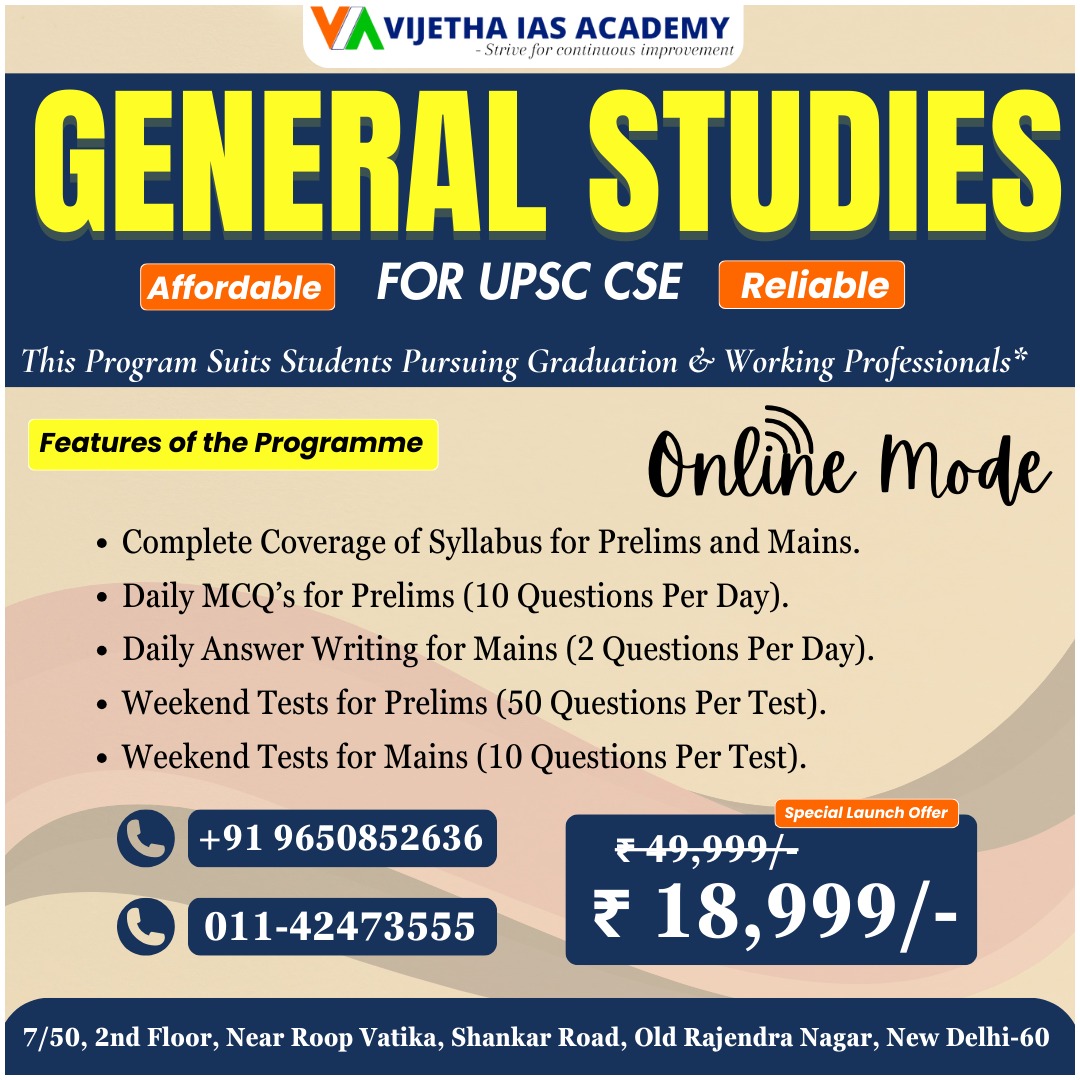
General Studies Programme by Vijetha IAS Academy for Just ₹18,999/-
Are you aspiring to crack the prestigious UPSC Civil Services Examination? Look no further! Vijetha IAS Academy offers a highly comprehensive General Studies Programme that covers all essential topics for your success in the UPSC exams at an unbeatable price of ₹18,999/-. With our expertly designed curriculum, top-notch study materials, and seasoned faculty, we are committed to guiding you on the path to success.
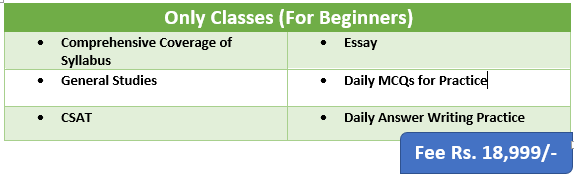
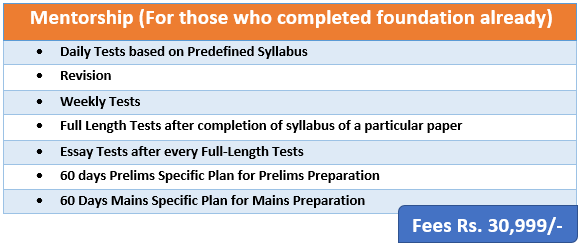
General Studies Offline Programme by Vijetha IAS Academy
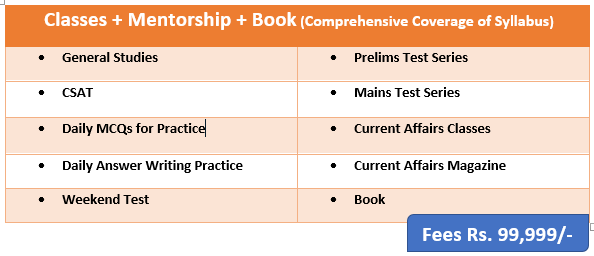
General Studies Online Programme by Vijetha IAS Academy
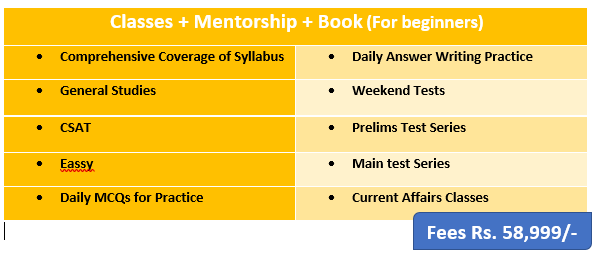
General Studies Online & Offline Programme by Vijetha IAS Academy
Why Choose Vijetha IAS Academy?
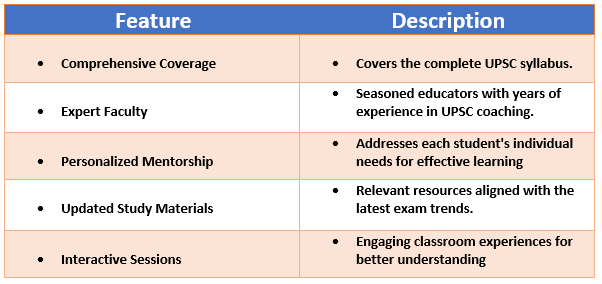
We provide an ideal learning environment, ensuring that every student has the best opportunity to succeed in the UPSC Civil Services Examination.
Our Unique Features
The General Studies Programme at Vijetha IAS Academy stands out for several reasons:
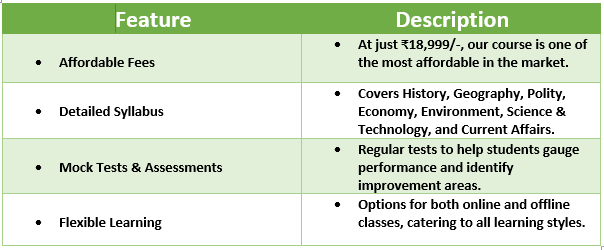
With Vijetha IAS Academy, you can be sure that you’re receiving the highest quality education tailored specifically for the UPSC Civil Services Exam.
Join Our General Studies Programme Today!
If you’re ready to take your UPSC preparation to the next level, don’t wait! Enroll in our General Studies Programme now for only ₹18,999/- and get access to top-notch faculty, quality study materials, and personalized mentorship. Visit Vijetha IAS Academy to learn more and register today.
Also, don’t forget to check out our YouTube channel for helpful UPSC preparation videos! Follow us at https://www.youtube.com/@vijethaiasacademy for valuable tips and insights.
For more information on our courses, visit our Anthropology Courses page. Explore our Test Series and Online Courses for flexible learning options.
Vijetha IAS Academy
Add. 2nd Floor, 50, Shankar Road, Block 7, Old Rajinder Nagar, Rajinder Nagar, New Delhi, Delhi 110060
MOB. 096508 52636
Open 7 Am : Closes 9 PM